We Return Fighting: World War I and the Making of Modern Black Identity
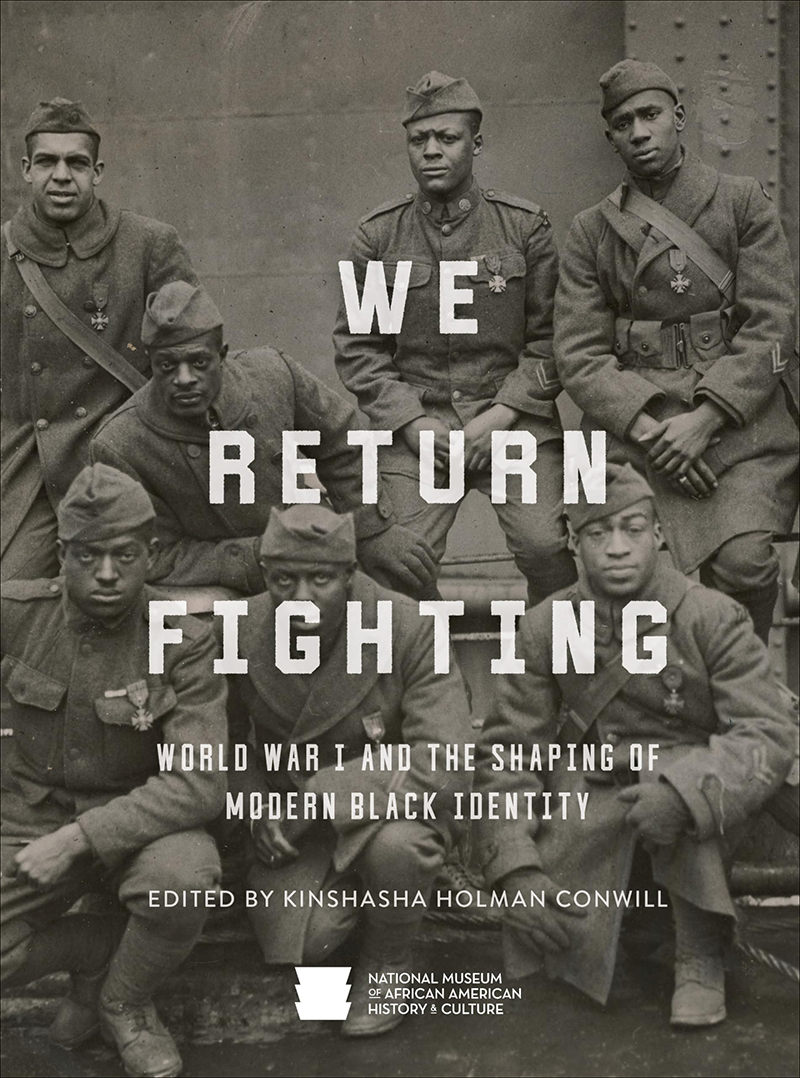
We Return Fighting is a powerful historical collection that explores how World War I reshaped African American identity, political awareness, and activism. Edited by Kinshasha Holman Conwill and published alongside an exhibition at the National Museum of African American History and Culture, the book combines essays, archival photography, personal narratives, and historical artifacts to tell a broader story about race, war, and citizenship.
Rather than focusing only on battlefield history, We Return Fighting examines how military service during World War I became a catalyst for social and political change. African American soldiers returned home with new expectations about equality and belonging. Their experiences abroad, particularly encounters with more respectful treatment from allies such as the French, stood in sharp contrast to the discrimination they faced in the United States.
From a systems perspective, the book illustrates how large historical events can trigger shifts in identity, politics, and collective action. In this case, the war functioned as a disruptive force that exposed contradictions within American democracy.
War, Citizenship, and the Origins of Modern Black Political Identity
The central argument of We Return Fighting is that World War I played a significant role in shaping modern Black political consciousness. African Americans served their country with the belief that patriotic sacrifice would strengthen their claim to full citizenship.
However, the return home revealed a painful contradiction. Black soldiers who had fought for democracy abroad continued to face segregation, racial violence, and exclusion in their own country.
This tension fueled a new wave of activism. Veterans returned with a stronger determination to demand equality, civil rights, and recognition. In many ways, We Return Fighting shows how military service became a turning point that helped shape later struggles for justice.
The book demonstrates that participation in the war produced more than decorated soldiers. It helped inspire a generation of leaders, writers, and activists who challenged systemic racism.
The Conflict Between Sacrifice and Recognition
Another powerful theme in We Return Fighting is the tension between sacrifice and recognition.
African American soldiers displayed extraordinary courage during World War I. Units such as the Harlem Hellfighters earned praise from their allies and distinguished themselves in combat. Yet their heroism rarely translated into equal treatment when they returned home.
The book highlights how this contradiction shaped cultural and political developments within Black communities. The war influenced music, literature, journalism, and activism. It also intensified debates about citizenship, loyalty, and belonging.
Through personal narratives and archival materials, We Return Fighting shows how the experiences of war continued to influence American society long after the fighting ended.
View We Return Fighting on AmazonStrengths of We Return Fighting
One of the book’s greatest strengths is its multidimensional storytelling. We Return Fighting brings together military history, social history, cultural analysis, and personal testimony to create a rich and layered narrative.
The visual materials such as photographs, letters, recruitment posters, uniforms, and medals add emotional depth to the historical analysis. These artifacts transform abstract history into a deeply human story.
Another strength is the editorial framing of the book. The essays place World War I within a broader historical context that includes Reconstruction, the Great Migration, and the racial violence of the Red Summer. By connecting these events, the book shows how the war functioned as a pivotal moment in the development of modern Black identity.
Importantly, We Return Fighting does not romanticize military service. While it honors the bravery of Black soldiers, it also acknowledges the emotional, social, and economic costs of their struggle.
Limitations of the Book
The structure of We Return Fighting, which combines essays, artifacts, and visual materials, can occasionally interrupt the narrative flow.
Because the book attempts to cover many aspects of African American life during the war, including soldiers, sailors, laborers, nurses, families, and activists, some sections feel brief compared with the broader scope of the topic.
Readers hoping for deeper exploration of particular individuals or events may find certain essays introductory rather than comprehensive.
However, these limitations largely reflect the book’s ambition. Its purpose is to present a wide-ranging view of African American experiences during World War I rather than a single, detailed historical study.
Why “We Return Fighting” Still Matters in 2026
The themes explored in We Return Fighting remain highly relevant today. The book highlights how historical events shape identity, activism, and collective memory.
By examining the experiences of Black soldiers during World War I, the book encourages readers to reconsider how citizenship and equality have evolved in the United States. It also shows how moments of national crisis can reveal deeper tensions within democratic societies.
The legacy of these veterans continues to influence conversations about race, patriotism, and justice.
Final Verdict
We Return Fighting is a thoughtful and visually compelling examination of how World War I influenced modern Black identity and political activism.
Through essays, archival material, and historical analysis, the book reveals how African American participation in the war reshaped expectations about citizenship and equality. The collection demonstrates that the struggle for civil rights did not begin suddenly in the mid twentieth century. It was shaped by earlier generations who fought for recognition both abroad and at home.
For readers interested in African American history, military history, or the development of modern social movements, We Return Fighting offers an insightful and necessary perspective.
My Personal Rating
In many ways, we are still at war today, though the battleground often looks different. In my world, the fight is against aging systems that must be modernized, refactored, or rebuilt from the ground up. That constant push to improve, adapt, and move forward reminds me of the resolve shown by the men highlighted in We Return Fighting. Their battles were far more profound than anything we face in the technology industry, but the spirit of perseverance and determination feels familiar.
Reading their stories left me with deep respect for what they accomplished in a time when the odds were stacked heavily against them. Black men in modern society are often rewarded for being agreeable or quiet, for accepting a temporary seat at tables that were never meant for us. The men in We Return Fighting, however, refused to shrink themselves. They pushed forward with courage, conviction, and strength.
Five stars are often used to symbolize rank and distinction in the military, and that symbolism feels appropriate here. The men whose stories are told in We Return Fighting earned nothing less. Though they are ancestors now, their legacy remains powerful, and the best way to honor them is to embody that same spirit of resilience and determination in the work we do today.
View We Return Fighting on Amazon