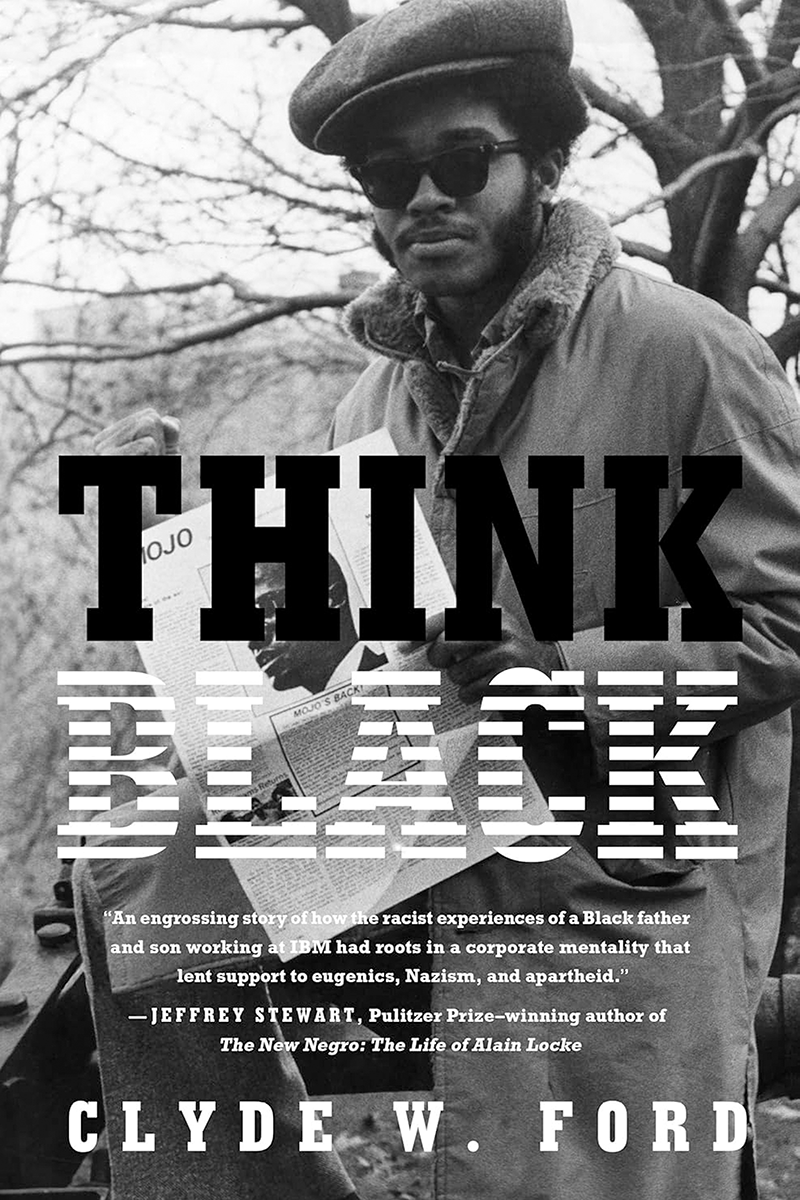
Think Black: The Untold Story of IBM’s First Black Engineer
Think Black is a deeply personal and historically revealing memoir written by Clyde W. Ford. The book tells the story of Ford’s father, John Stanley Ford, who became one of the earliest Black engineers at IBM in 1946. At the same time, Ford reflects on his own later career at the company decades afterward.
At first glance, Think Black reads like a family memoir. But beneath that personal narrative lies something more complex. The book examines the early history of the computing industry, the racial dynamics of corporate America, and the psychological cost of being a pioneer in a system that was not designed to include you.
Reading Think Black from a systems or engineering perspective reveals an important idea: technology does not exist outside of social systems. The engineers who build machines, the institutions that fund them, and the cultures that surround them all influence how technology develops and who benefits from it.
Technology, Race, and the Systems Behind Innovation
One of the most striking lessons in Think Black is that technological progress is never purely neutral. Ford shows how the early computing industry developed alongside the political and social structures of the twentieth century.
John Stanley Ford worked within the emerging world of large-scale computing systems while navigating a corporate environment shaped by segregation and exclusion. His achievements as a Black engineer were not simply technical milestones. They were acts of persistence inside a system that often resisted change.
Ford also examines the broader historical context of the technology industry, including difficult questions about how major corporations operated during periods marked by racism and global political conflict. These discussions push readers to reconsider the assumption that technological advancement automatically leads to social progress.
In that sense, Think Black is not only about one family. It is about how institutions shape innovation and how innovation, in turn, shapes society.
The Psychological Cost of Being the First
Another powerful theme in Think Black is the emotional burden placed on pioneers.
John Stanley Ford’s position inside IBM carried enormous symbolic weight. Like Jackie Robinson breaking the color barrier in baseball, Ford represented progress while simultaneously absorbing the pressures of resistance and scrutiny.
The memoir describes the isolation that often accompanies being “the first.” Ford had to perform at an exceptionally high level while navigating skepticism, subtle hostility, and professional loneliness. Excellence was not simply a goal. It was a requirement for survival.
For readers who work in engineering or technical fields, this part of the story highlights a systemic truth: representation in complex industries rarely happens without personal sacrifice from those who arrive first.
A Generational Conflict Between Survival and Authenticity
A second narrative thread in Think Black follows Clyde W. Ford’s own entry into IBM in 1971. Unlike his father, Clyde belonged to a generation shaped by the Civil Rights movement and the cultural shifts of the late 1960s.
This generational contrast creates tension throughout the memoir. John Stanley Ford believed in discipline, restraint, and careful navigation of corporate structures. Clyde, by contrast, sought authenticity and open confrontation with injustice.
Over time, Clyde begins to reinterpret his father’s approach. What once looked like quiet acceptance reveals itself as a different form of resistance: perseverance, dignity, and the determination to survive inside an imperfect system while opening doors for those who would come later.
This shift in understanding becomes one of the most emotionally powerful parts of Think Black.
View Think Black on AmazonStrengths of Think Black
The greatest strength of Think Black is its emotional honesty. Clyde W. Ford writes with remarkable vulnerability about his complicated relationship with his father. Admiration, frustration, pride, and grief all appear throughout the narrative.
Another strength is the book’s historical insight into the early computing industry. Ford helps readers see that the development of modern technology occurred within a broader social context shaped by race, power, and economic interests.
The memoir also succeeds in humanizing the world of computing. Instead of focusing purely on technical breakthroughs, Ford emphasizes the people who built early systems and the ethical questions surrounding their work. This approach makes the story accessible even to readers without a technical background.
Finally, the book avoids romanticizing its subjects. John Stanley Ford is portrayed as both brilliant and deeply human, shaped by personal insecurity and the pressures of navigating a racist professional environment. This complexity gives the memoir depth and authenticity.
Limitations of the Book
While Think Black is compelling, the narrative structure can occasionally feel uneven.
The book alternates between personal memoir and broader corporate history, and the transitions between these perspectives sometimes interrupt the pacing. Readers primarily interested in family history may find the corporate analysis dense, while readers interested in the history of technology might wish for more sustained technical discussion.
Another limitation is that the book raises difficult questions about racism and institutional responsibility without offering many concrete solutions. Ford’s reflections are often moral and philosophical rather than strategic. Readers hoping for detailed policy or industry recommendations may find the discussion incomplete.
Why Think Black Still Matters in 2026
The themes explored in Think Black remain highly relevant today.
Modern conversations about diversity in technology, algorithmic bias, and representation in engineering echo many of the issues raised in the book. Ford’s story reminds us that the history of computing is not only a history of machines. It is also a history of people navigating power structures and cultural barriers.
The memoir encourages readers to think critically about the systems that shape innovation. Who builds the technology that defines our world? Who is excluded from that process? And how do those dynamics influence the outcomes we see today?
Final Verdict
Think Black is both a moving family memoir and a thoughtful examination of the relationship between race and technological progress.
Through the story of John Stanley Ford and his own experience at IBM, Clyde W. Ford reveals the human dimension behind the early computing industry. The book challenges readers to consider how innovation, identity, and institutional systems intersect.
Although the narrative structure occasionally feels uneven and the solutions are more reflective than prescriptive, the memoir remains powerful and necessary. It reminds us that technological advancement does not occur in isolation. It emerges from social systems, cultural assumptions, and the individuals who push against their limits.
My Personal Rating
My first role in the tech industry was with IBM, and I absolutely loved it. It was a time when remote work—back then often called “mobile” work—was beginning to take shape, and I had the chance to experiment with a range of new technologies. I was early in my career and full of ambition, even setting my sights on one day becoming an IBM Fellow. But as often happens in the tech world, my time with the company came to an abrupt end.
Because of that experience, reading about John Stanley Ford in Think Black felt surprisingly personal. His story offers a glimpse into the culture, innovation, and challenges that shaped IBM during an earlier era, particularly through the lens of a Black engineer navigating both opportunity and adversity within the industry. For readers interested in the history of computing, the legacy of Black engineers, or the ethical dimensions of technological progress, Think Black provides a perspective that is both deeply personal and historically significant.
View Think Black on Amazon